Leland Pavement Care sits about five minutes from Belville, and the work we do here is mostly one job: driveway sealcoating on homes whose asphalt is two or three seasons old and starting to show it. Belville is small, 2,406 people at the 2020 census, but a lot of its driveways were put in during the same stretch of building, so they come due together.
The coat itself is asphalt sealcoating, a thin protective layer over a drive that is still sound. It slows the damage from sun and keeps oil from softening the surface. It goes on best after crack filling has closed the small openings, and after crack sealing has dealt with longer runs where water gets in. If a drive is past that point, the honest answer is driveway repair instead. That means asphalt patching where the base has let go, or pothole repair where a hole has opened. We tell you that on the first walk of the drive, before anyone talks about a coat.
Belville sits on the Cape Fear River, and the River Road corridor subdivisions run through it. They went up in the same new-subdivision wave that built much of Leland, one town over. The owners ask us the same thing: is it time yet, and what does the drive need first?
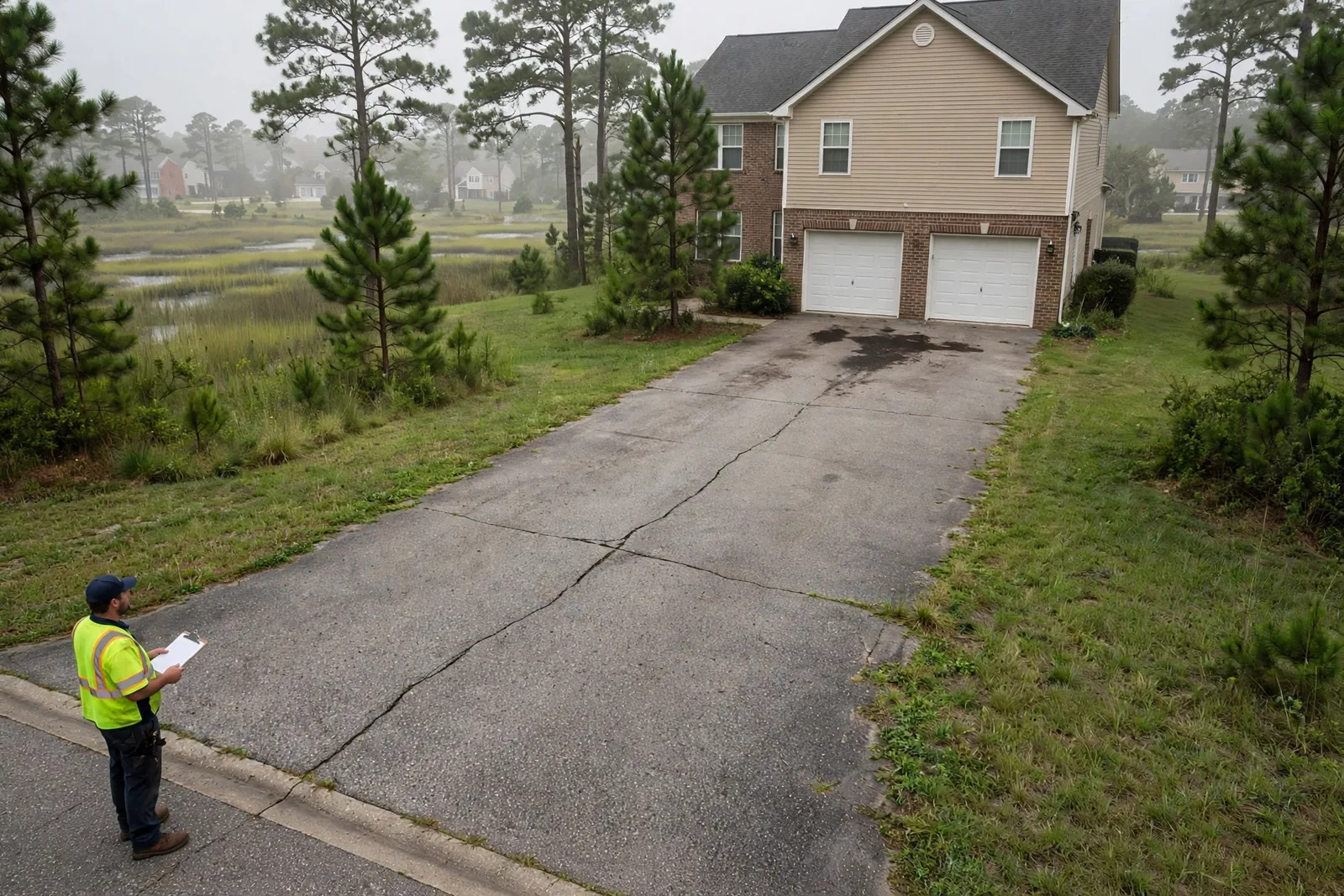
Why Belville driveways wear the way they do
Four things wear out asphalt on this coast. Sun oxidizes the surface. Water gets in through cracks. Oil and fuel soften the pavement. And the base underneath gives way. Sealcoat handles the first and third. Crack work handles the second. Patching handles the fourth.
Heat, humidity and hard UV go to work on a young drive quickly. Summer thunderstorms and tropical systems can drop inches of rain at once, and that water finds every open crack. Brunswick County soil is sand with a high water table, so the base under a drive decides how it wears. Water that gets under a cracked drive carries sand with it, and the base goes soft. This is why we fill cracks before we coat anything.
A drive that has never been sealed is not a problem. Most of the drives we see in Belville are in this shape, and they are the best candidates, because the pavement is still tight. Most owners reseal every two to three years. That is typical practice, not a promise about any coating or any pavement.
Is your driveway ready for a coat?
Walk the drive in daylight. A drive that is ready for sealing usually shows these signs:
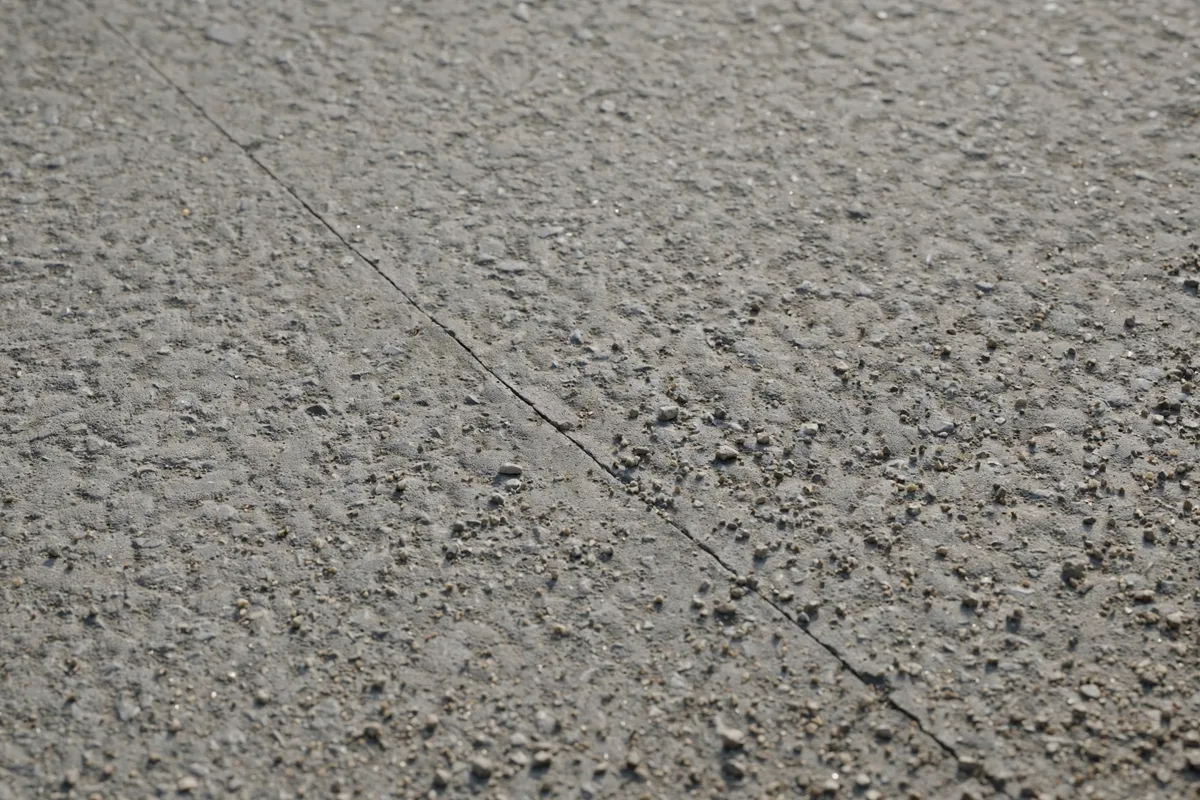
- The color has faded from black to gray.
- The surface feels dry and a little rough underfoot.
- There are hairline cracks, and none wide enough to lose a pencil tip in.
- There are oil or fuel spots where cars park.
- Grass and dirt have crept over the edges.
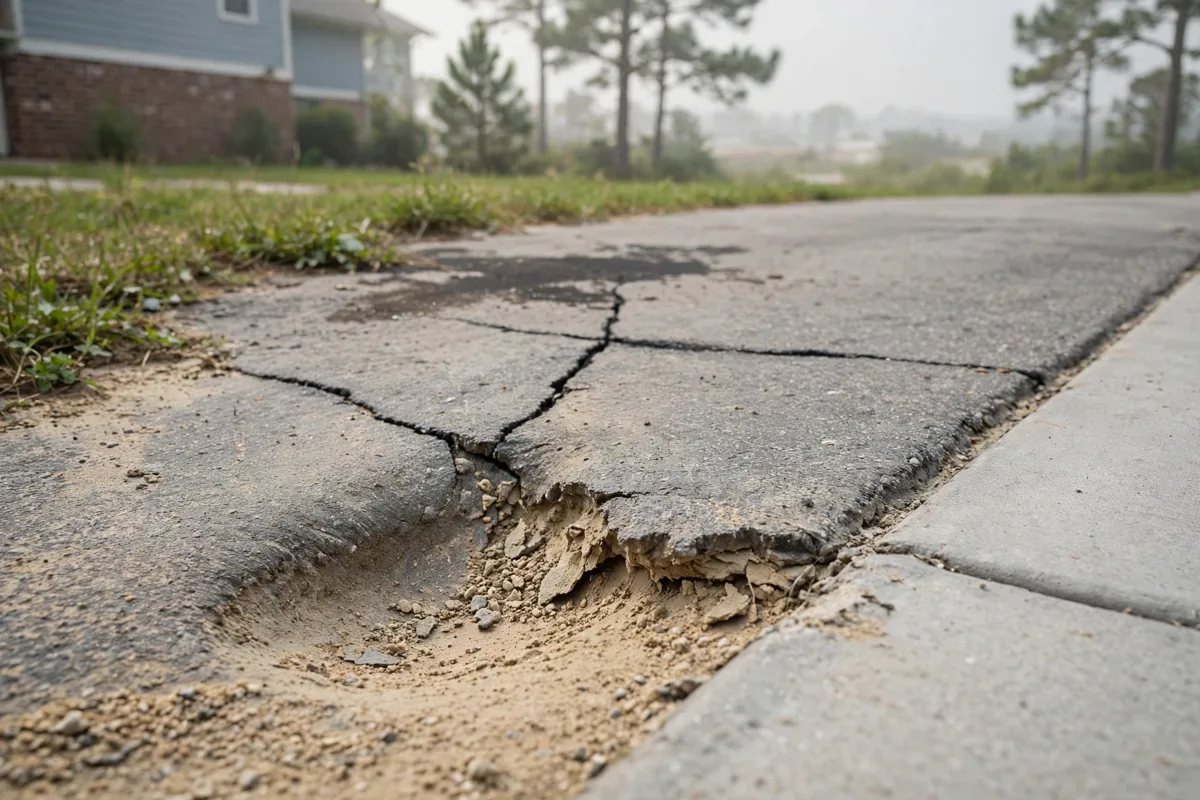
Other signs mean a coat is the wrong first move. Soft spots, a sunken area, crumbling edges or an actual hole point to a base problem, and sealer will not fix it. Those get cut out and patched first. If your drive looks more like that, we will say so plainly.
How the work goes
Every driveway follows the same order. Prep takes the most time, and prep decides how the coat holds.
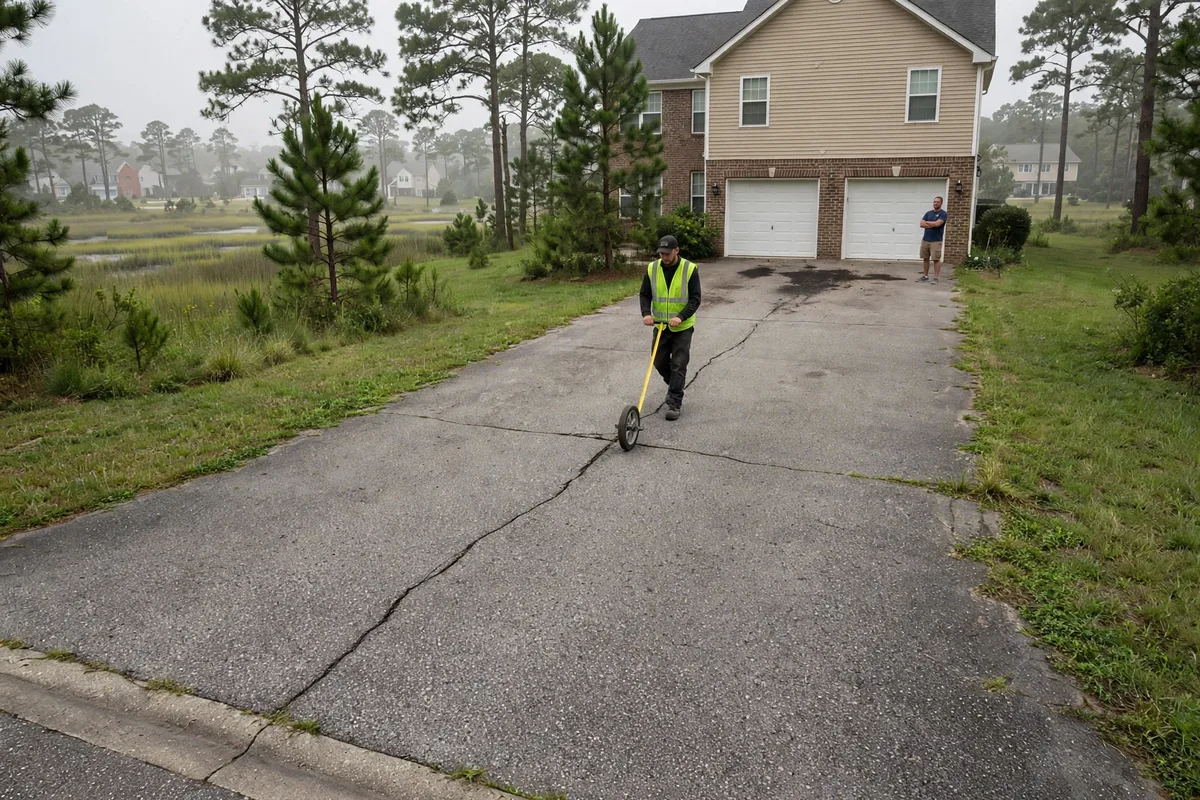
1. Walk and measure
We walk the whole drive with you if you are home. We note the size, the condition, every crack, every oil spot and anything that points to a base problem. The measurements and the walk set the price.
2. Clean the surface and the edges
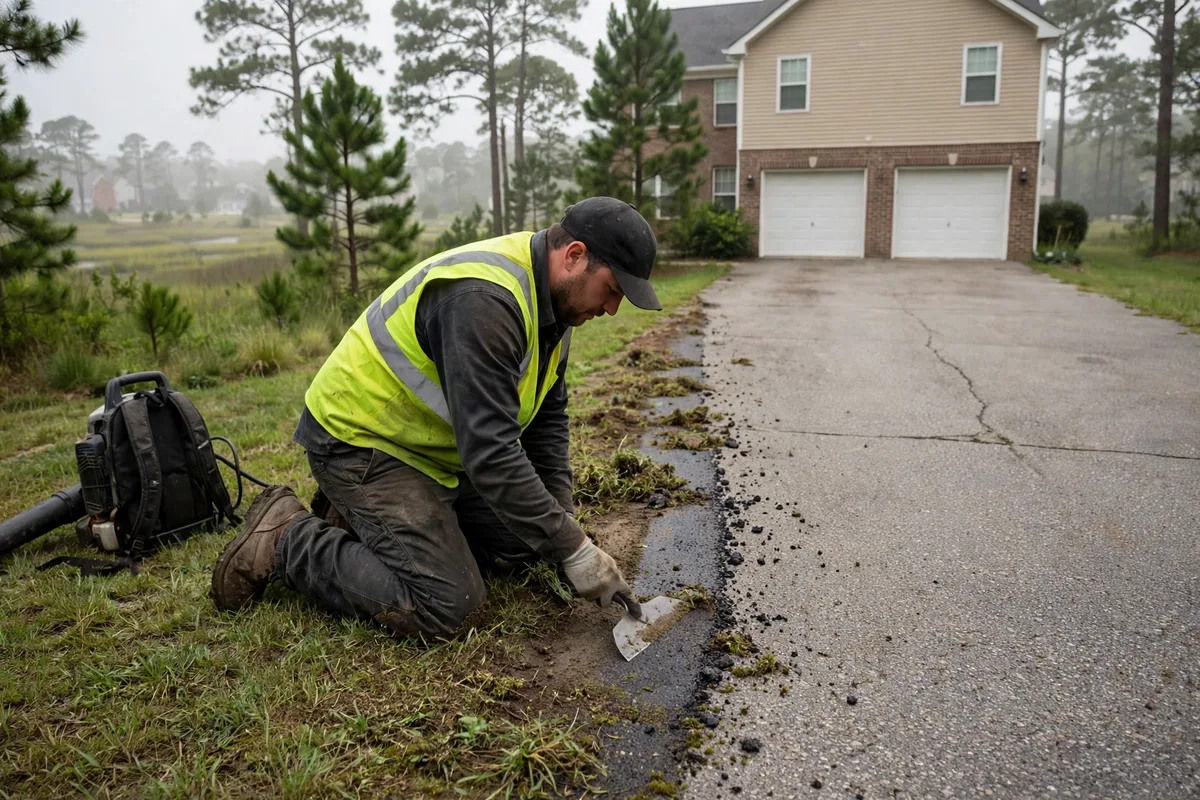
Dirt, leaves, sand and grass edging come off first. A blower and a stiff broom clear the surface. Edges get cut back to bare pavement. Sealer will not bond to dirt, and it will not bond to a wet edge that grass has been holding moisture against.
3. Fill the cracks
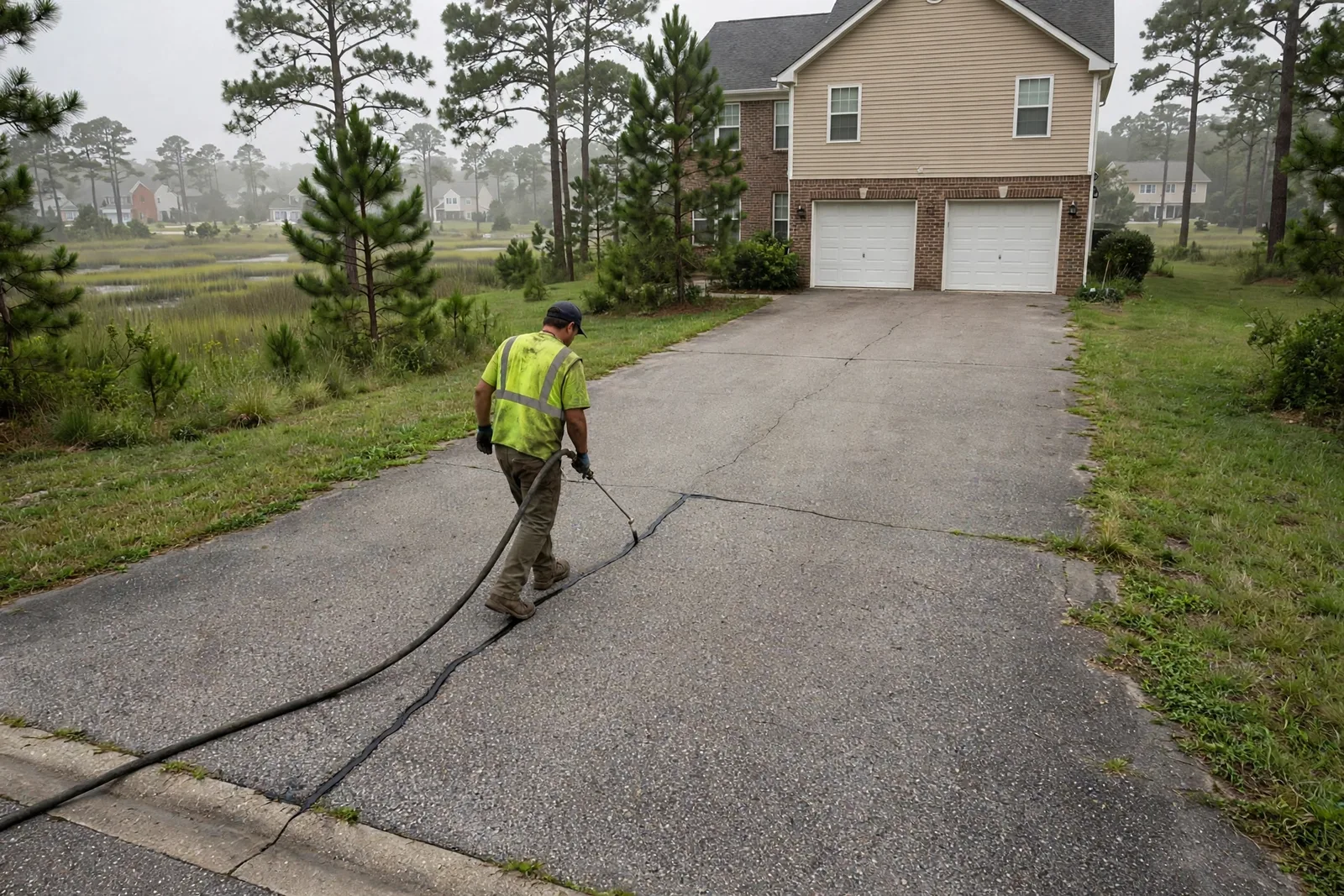
Cracks are cleaned out and filled with hot-pour rubberized sealant. It stays flexible as the pavement moves with heat and cold, which is the reason it lasts longer than cold-pour or DIY filler from a tube. This is crack filling priced by the linear foot, and it goes in before the coat.
4. Prime the oil spots
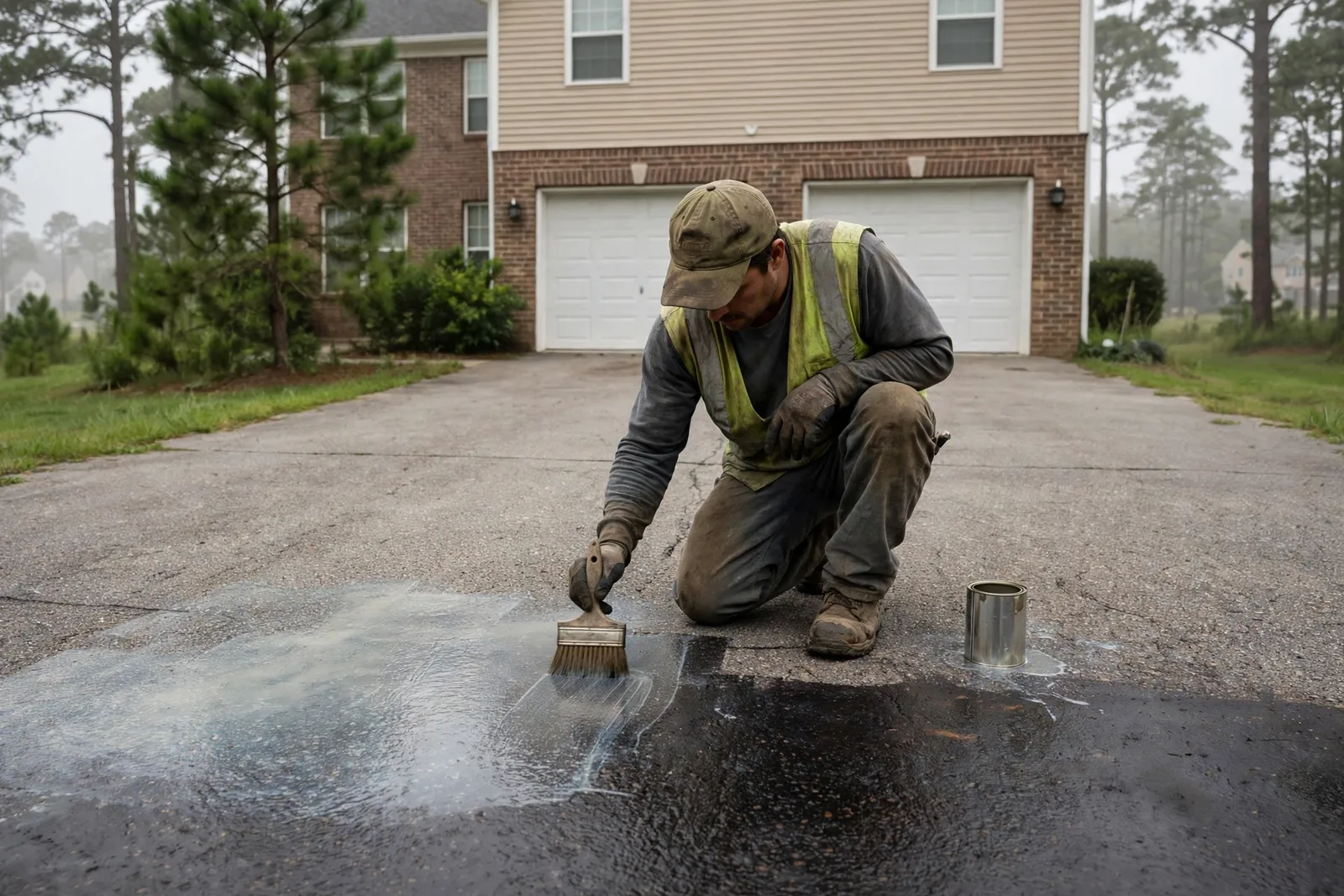
Oil and fuel soften asphalt and push sealer away. Oil spots, mostly where cars park, get a primer so the coat holds there instead of lifting.
5. Apply the coat
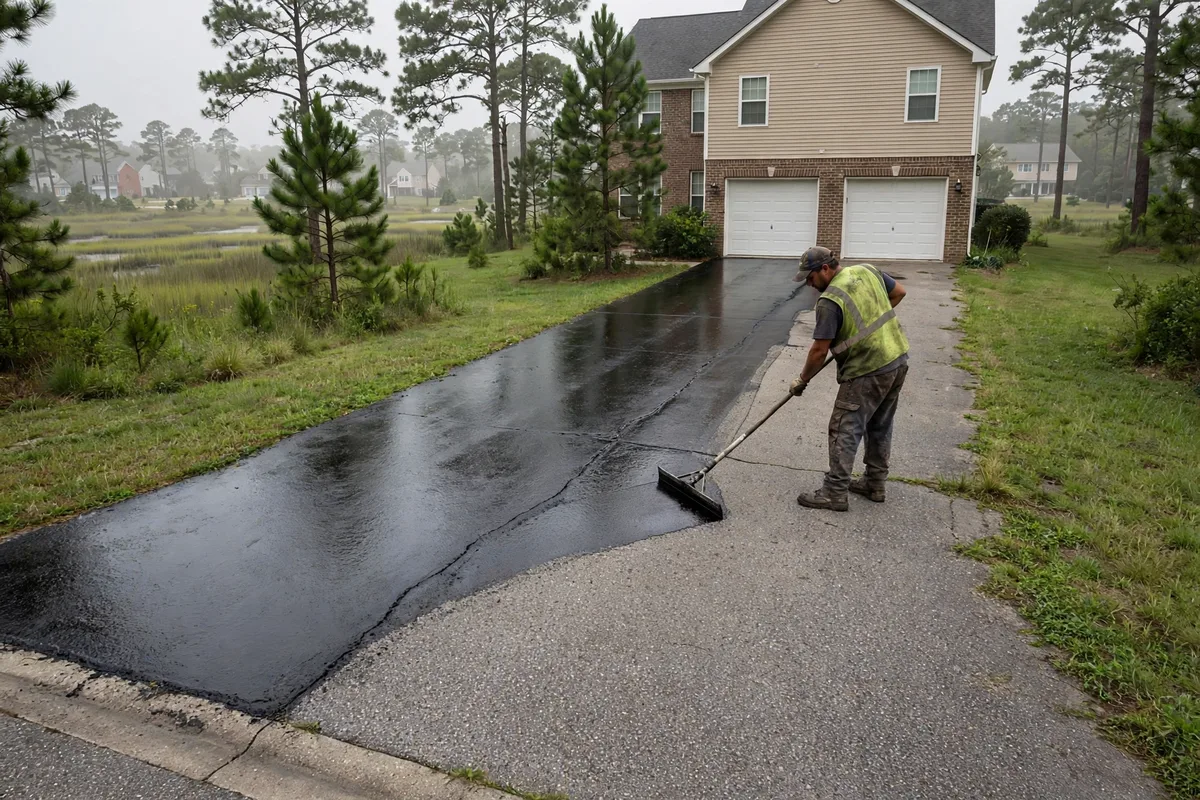
Asphalt-emulsion sealer is mixed and applied by squeegee in even passes across the whole drive, working back toward the street so we are never walking on wet work. On a home driveway in decent shape this is one coat. Commercial lots commonly get two.
6. Barricade and hand it back
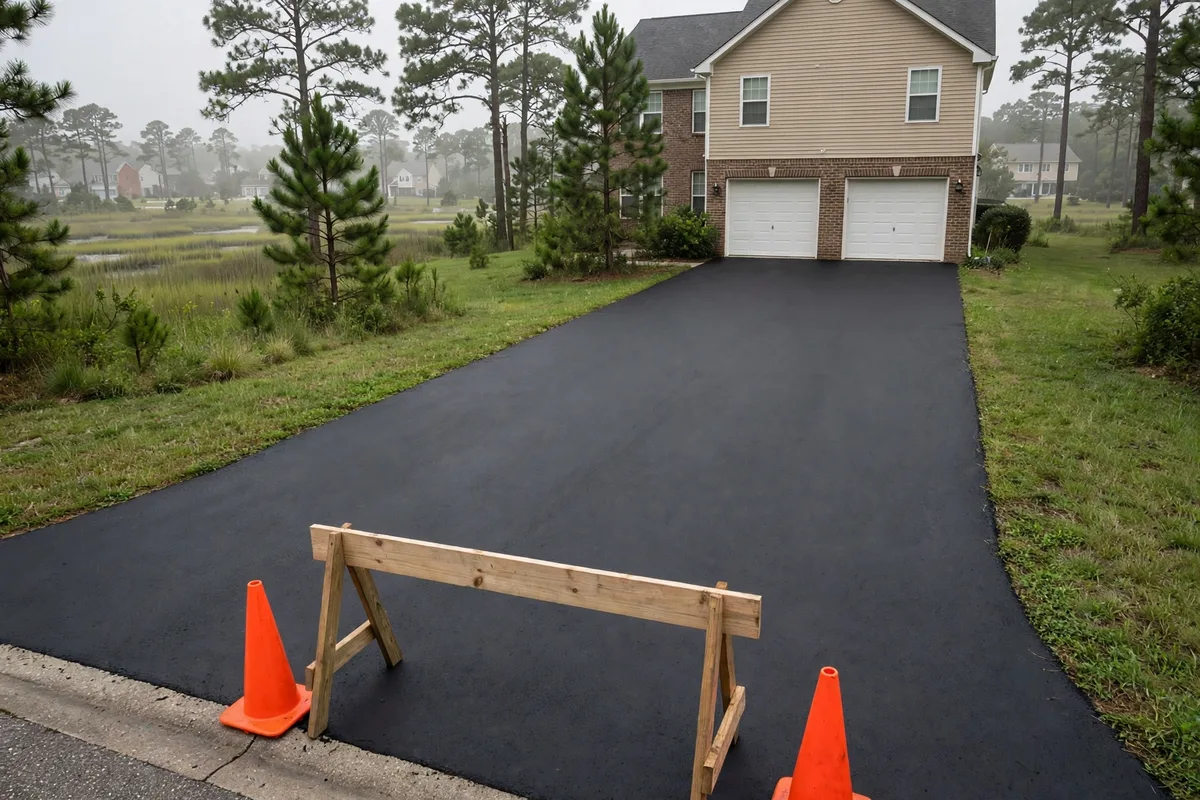
Cones or barricades go at the apron so nobody drives or walks on wet sealer. We tell you when the drive can take cars again. It depends on the weather that day, so we do not give a blanket number.
What it costs
Typical driveway sealcoating jobs run $600 to $2,000. By area, sealcoating is priced at $0.15 to $0.25 per square foot. Crack filling is priced at $0.50 to $3.00 per linear foot, and it rides first, ahead of the coat, so the cracks are counted before the sealing is.
Where your drive lands in that band comes down to a few things:
- Size. A longer, wider drive means more area to coat.
- Condition. A drive with a clean surface and tight pavement costs less to prep than one with weeds in the seams.
- Crack filling. More linear feet of crack means more filling before the coat can go on.
- Oil-spot priming. Every spot that needs primer adds to the prep.
Minimum fees apply on small drives. Most of the Belville drives we see fall inside the band, since the subdivision lots were laid out on similar footprints. If yours is out of the ordinary, in size or in condition, the number will move accordingly and we will tell you why.
A River Road driveway, sealed for the first time
This home is in the River Road area. The house is some years old, and the driveway had never been sealed since it was built. The owner called because it had gone gray and he had noticed two cracks that were getting longer. The crew walked it before anything else.
Chapter 1: What the crew found
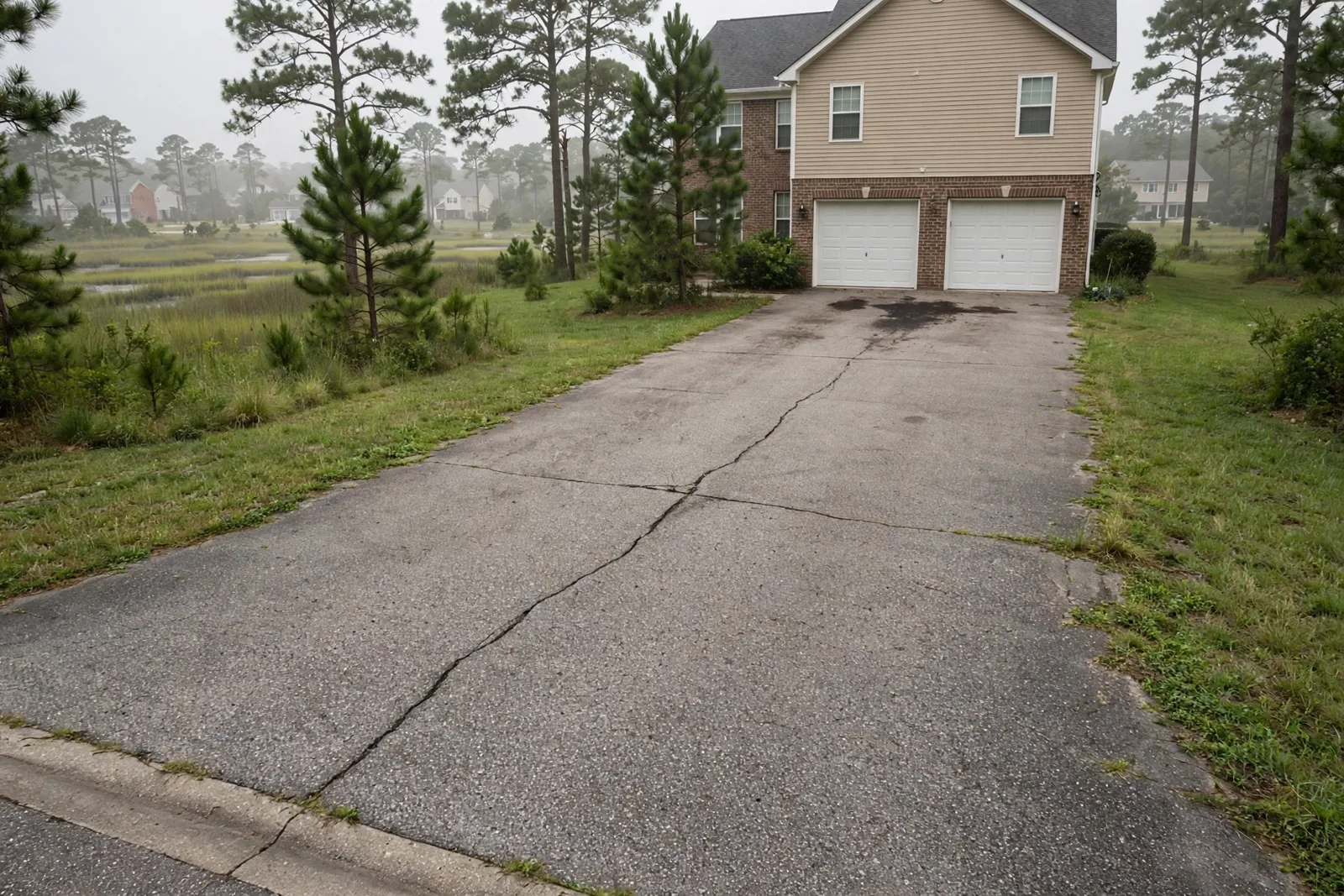
The surface was gray and dry, with loose grains on the pavement, and grass had crept over the edges in several places. There were two cracks working across the drive, wide enough that water ran into them after rain. At the parking pad there was a dark stain where a car had sat and leaked. The base felt firm underfoot with no soft areas or dips. That made it a coating job and not a repair job.
Chapter 2: Edges and cracks
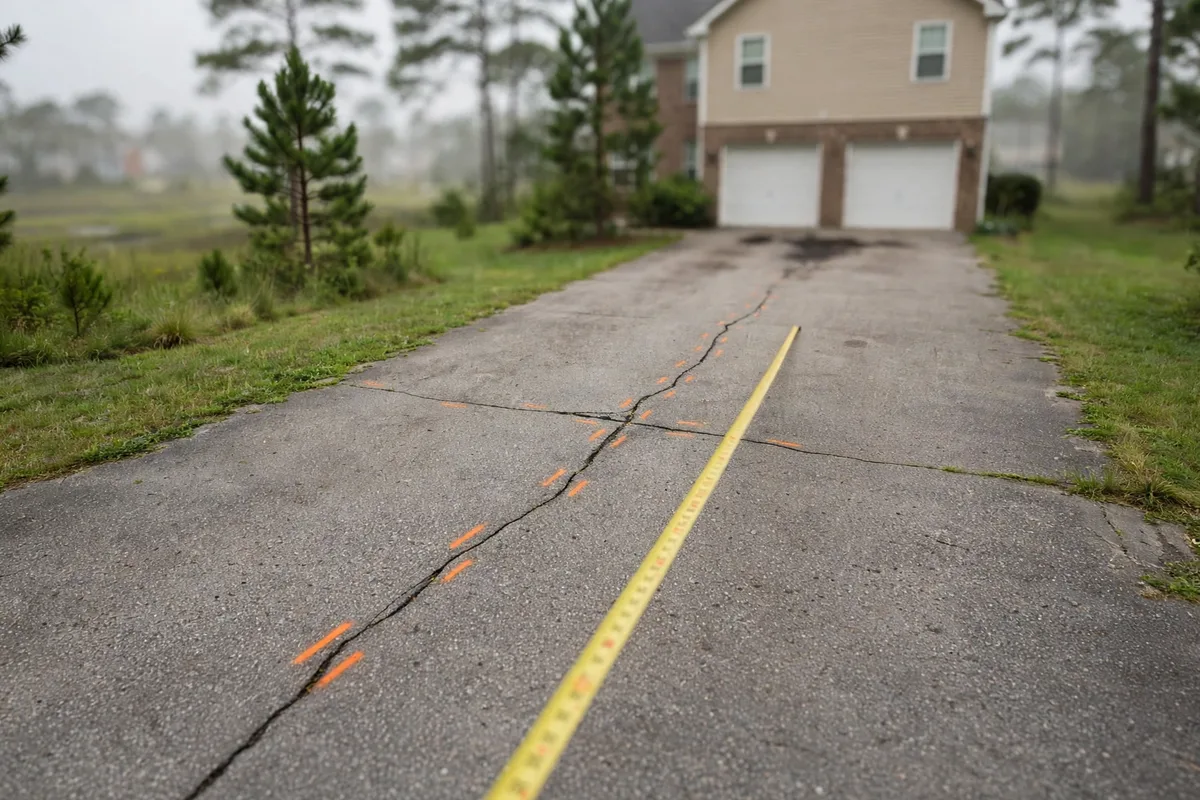
The crew cut the edges back to bare pavement and blew the drive clean. Then they cleaned the two working cracks and filled them with hot-pour rubberized sealant, flush with the surface.
Chapter 3: The oil at the parking pad
The stain was primed so the sealer would hold at that spot instead of lifting. It is the one place on most drives where a coat fails first.
Chapter 4: The coat
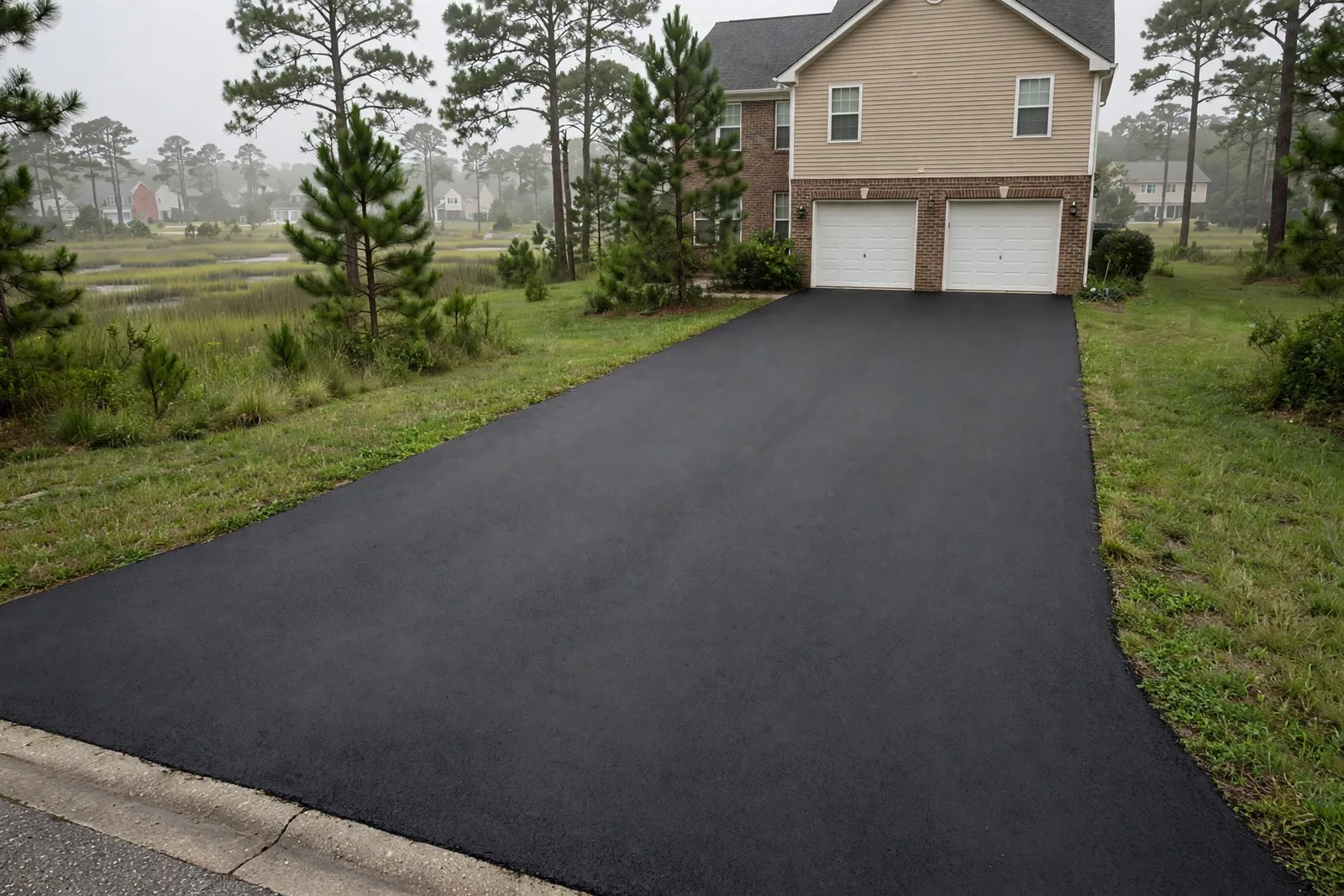
One squeegee coat went across the whole drive, working back toward the street. The cones went up at the apron once the last pass was done.
Chapter 5: What it cost, and what to watch
The job priced inside the driveway band of $600 to $2,000. The coat was priced by area, the crack filling by the foot, and the priming by the spot. Over the next season the owner should watch the filled cracks for any movement and keep sprinklers from throwing water onto the edges. When the black turns gray again, he will know it is coming due. Most owners reseal every two to three years.
Read the River Road drive
Grass and dirt along the edge hold moisture against the asphalt and stop the sealer from bonding. The crew cut the edges back to bare pavement and cleaned the surface before anything went on.
The drive had two working cracks. Crack filling is priced at $0.50 to $3.00 per linear foot, and it goes in first, with hot-pour rubberized sealant, so the coat does not bridge an open crack.
Oil and fuel soften asphalt and push sealer away. The oil spots at the parking pad were primed so the coat holds there.
One squeegee coat covered the whole drive. Driveway sealcoating is priced at $0.15 to $0.25 per square foot.
The job priced inside the driveway band of $600 to $2,000. Size, condition, crack filling and oil-spot priming set where a drive lands in that band. Minimum fees apply on small drives.
Soft spots, a sunken area, crumbling edges or a hole point to the base, not the surface. That is patching or pothole repair first, and the coat comes after, if at all. The crew tells you this at the walk-through.

Questions
Do you do driveway sealcoating in Belville?
Yes. Belville is about five minutes from our base in Leland, and the River Road corridor subdivisions are a regular part of our work. The drives there were put in during the same building wave as many in Leland, so a lot of them are due for a first or second coat now.
My driveway has never been sealed since the house was built. Is it too late?
Usually not. A drive that has never been sealed is often in good shape, because nothing has been done to it yet and the pavement is still tight. We walk it first. If the surface is gray and the base is firm, it is a coating job. If the base has gone soft or the edges are crumbling, we will tell you that repair comes first.
How much does driveway sealcoating cost in Belville?
Typical jobs run $600 to $2,000. By area, sealcoating is $0.15 to $0.25 per square foot. Size, condition, crack filling and oil-spot priming decide where your drive lands. Minimum fees apply on small drives.
What do you charge for crack filling?
Crack filling is $0.50 to $3.00 per linear foot. It is priced separately from the coat, and it goes in first. The more feet of crack your drive has, the more it adds, which is why we measure the cracks on the walk-through.
Do you fill the cracks before you coat the driveway?
Always. Sealer over an open crack bridges it for a few weeks, then the crack opens again underneath. We clean each crack and fill it with hot-pour rubberized sealant, level with the surface, before any sealer goes on.
What about the oil spots where the cars park?
They get primed before the coat. Oil soaks in and softens the asphalt, and sealer will not grip over it. Priming is part of the prep and one of the factors in the price.
What kind of sealer do you use, and how is it put on?
Asphalt-emulsion sealer, applied by squeegee in even passes across the drive. On a home driveway in decent shape that is one coat. Commercial lots commonly get two.
How often should I reseal?
Most owners reseal every two to three years. That is typical practice, not a guarantee on any coating or pavement. The better signal is the drive itself. When the black has faded to gray and the surface feels dry and rough, it is coming due.
How long before I can drive on it?
We tell you when the crew finishes. It depends on the weather that day, so we do not give one number for every job. Cones or a barricade stay across the apron until the sealer is ready, and the first thing to avoid is sharp turns with the wheels while parked.
What if it rains on the day you are scheduled?
Sealer needs a dry surface and dry weather to cure, so wet days get moved. In this part of the county, summer storms can come up fast, and a drive that is wet from a morning shower is not ready to coat either.
Will you seal a driveway that has potholes or soft spots?
Not as the first step. Sealer will not hold a pothole or a soft base. Those areas are cut out, re-based and patched with hot mix first, and once the repair is done the drive can be coated. If more of the drive has failed than is sound, we will say that plainly.
Does my HOA need to approve driveway sealing?
That depends on your community. Many of the subdivisions around Belville and Leland have standards for how drives look. Check your own rules if you are unsure. A sealed drive is a uniform dark black with clean edges, and it is a plain maintenance job and not a change to the property.
How do I get started?
Call (910) 370-1121 or fill out the form below. Tell us the street, how big the drive is, and what you see on it, such as cracks, oil spots or grass at the edges. We will take it from there.
Tell us about your Belville driveway
If your drive has gone gray, or you have found a crack that is getting longer, call us or send the form. Tell us what you see on the surface and where the cars park, and we will set up the walk-through. You can reach us at (910) 370-1121.
The more details you give, the better we are able to help you.